 Fall Asleep Fast
How long it usually takes a healthy adult to fall asleep.
The breathing count that slows you down in under two minutes.
How long Good Sleep takes to reach your bed temperature, so switch it on early.
The 90-minute fall-asleep-fast timeline
Falling asleep fast is mostly decided before you lie down. Work backward from your target lights-out time:
Warm shower or bath
Warm water 1–2 hours before bed draws blood to your skin; afterward, your core cools, which is the same drop your body uses to start sleep. A 2019 review of studies found this helped people fall asleep faster.
Lights down, screens away
Switch to lamps and warm bulbs. Bright light in the evening pushes your body clock later. Put the phone on a charger outside the bedroom if you can.
Wind down and offload your brain
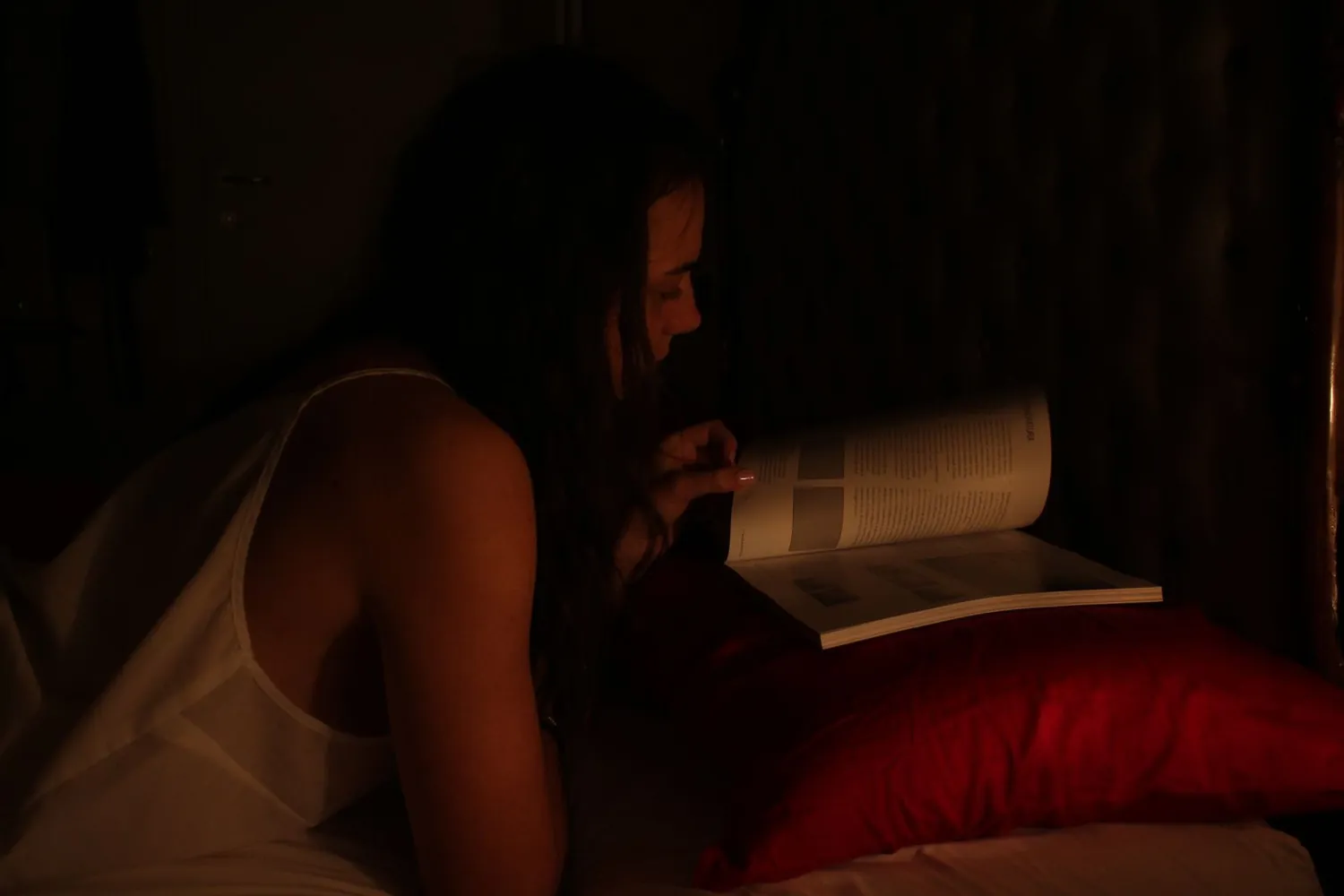
Write tomorrow's to-do list so it isn't looping in your head. Read something on paper, stretch gently, or listen to something calm.
Set the bed temperature
Cool, dark, quiet room. If you run hot, cool the bed; if you run cold (hello, November), warm it. Good Sleep reaches your setting in about 15 minutes, so tap it on before you brush your teeth.
Lights out: breathe
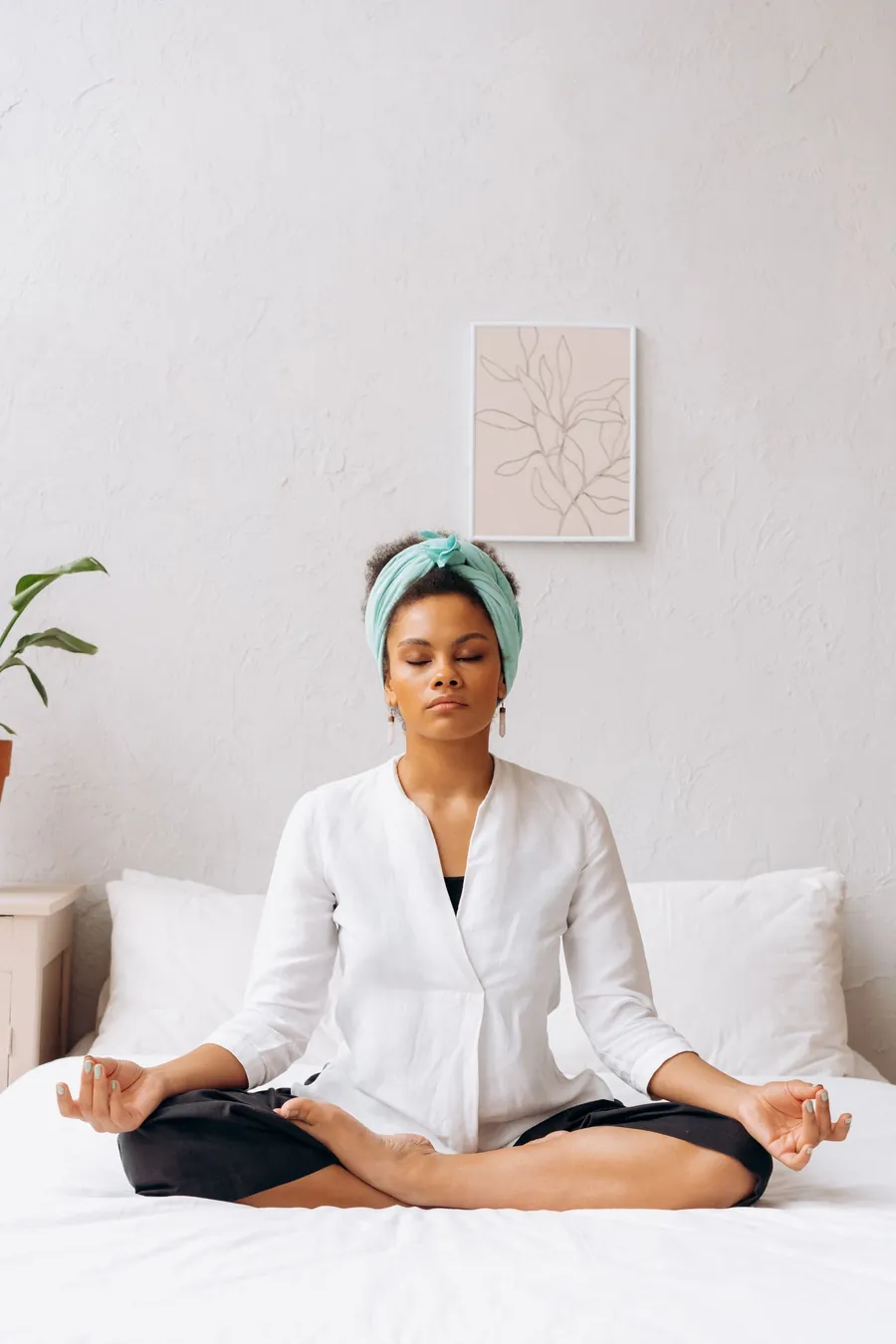
Do four rounds of 4-7-8 breathing, then a slow body scan from your forehead to your toes. Don't check the clock.
Still awake? Get up
Lying there frustrated teaches your brain that bed is for worrying. Sleep specialists recommend leaving the bed, doing something calm in dim light, and returning when you're sleepy.
Breathing and relaxation techniques that work
4-7-8 breathing. Inhale through your nose for 4, hold for 7, exhale through your mouth for 8. Four rounds.
Box breathing. In 4, hold 4, out 4, hold 4. Easier if long holds feel uncomfortable.
The military method. Relax your face, drop your shoulders, loosen your arms, breathe out, relax your legs, then picture a calm scene for 10 seconds.
Cognitive shuffle. Pick a word, then picture random unrelated things that start with each letter. It crowds out anxious thinking. More in our breathing techniques guide.
Light: darker, sooner
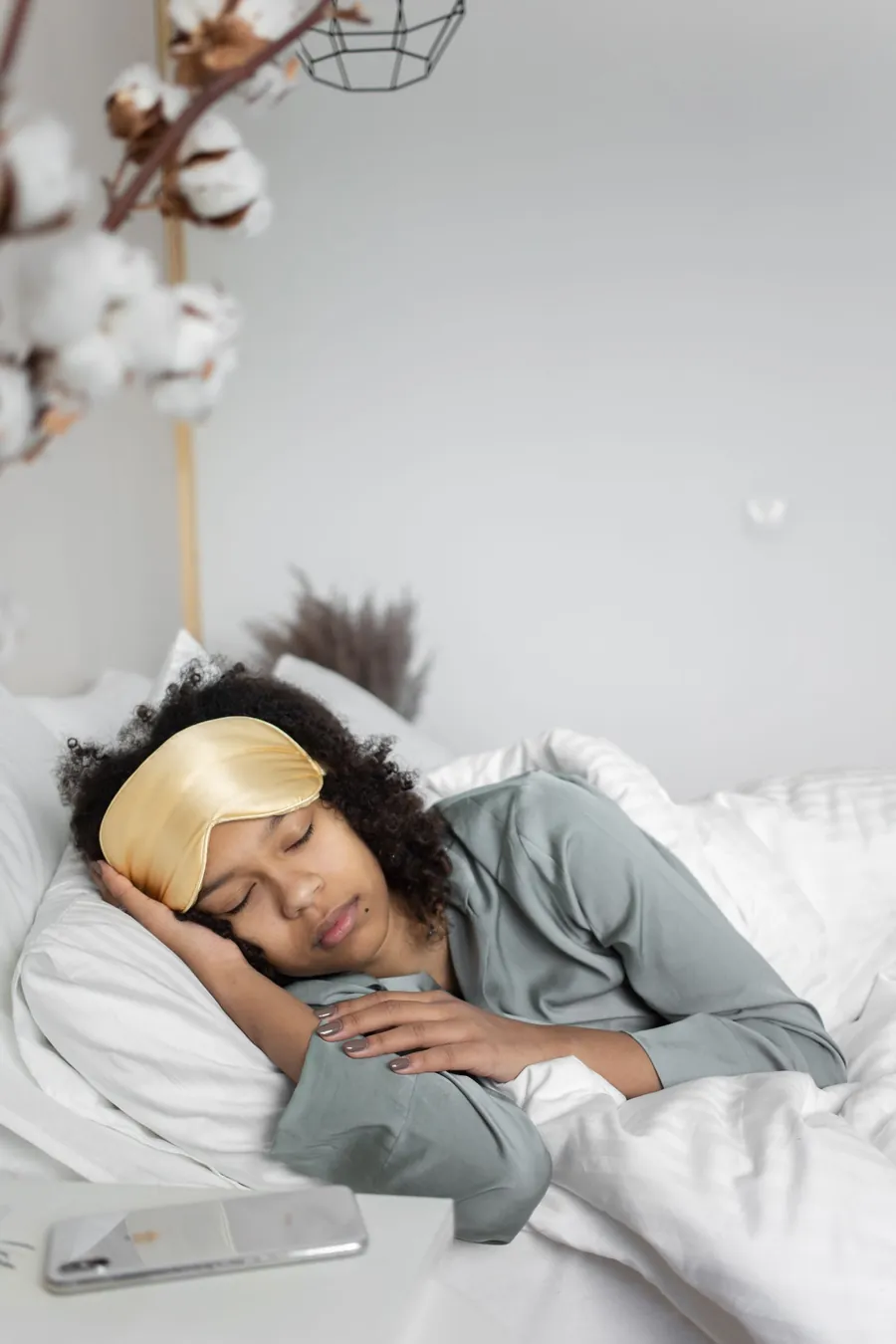
Light is the strongest signal your body clock gets. Two moves matter most: bright light in the morning (go outside within an hour of waking) and dim light at night. Use blackout curtains or a sleep mask, cover blinking LEDs, and keep any night light low and warm-colored.
For the full set of daytime habits that make nights easier, see how to sleep better naturally.
Temperature: the shortcut most people miss
To fall asleep, your core temperature has to drop; Good Sleep puts it at roughly 1–3°F. Anything that fights that drop slows you down: a hot room, a heat-trapping mattress, a partner who runs warm. But being cold delays sleep too, because cold hands and feet hold heat in your core.
If you fall asleep hot
Keep the room in the range Good Sleep cites from Cleveland Clinic and the Sleep Foundation (about 60–68°F) and cool the sleep surface itself. Good Sleep cools to 62°F.
If you fall asleep cold
Warm your feet (socks work), pre-warm the bed and keep the room cool. Good Sleep heats up to 110°F; it suggests about 82°F as a starting point for cold sleepers.
Why a water-based topper helps you fall asleep faster
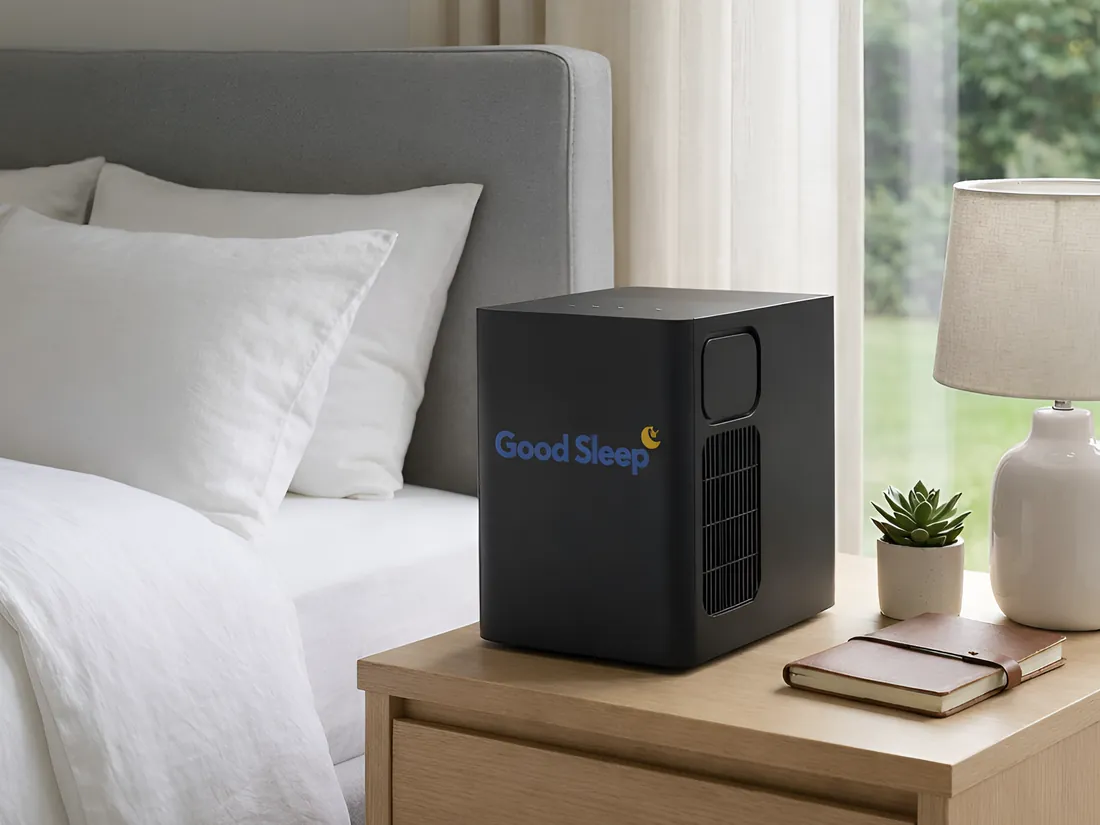
Good Sleep's hub heats or cools water and circulates it through micro-channels in a topper that lies on your existing mattress, so the surface you lie on is already at your temperature when you get in. Everything here is from trygoodsleep.com:
- Cools to 62°F and heats to 110°F; reaches your setting in about 15 minutes and holds it all night.
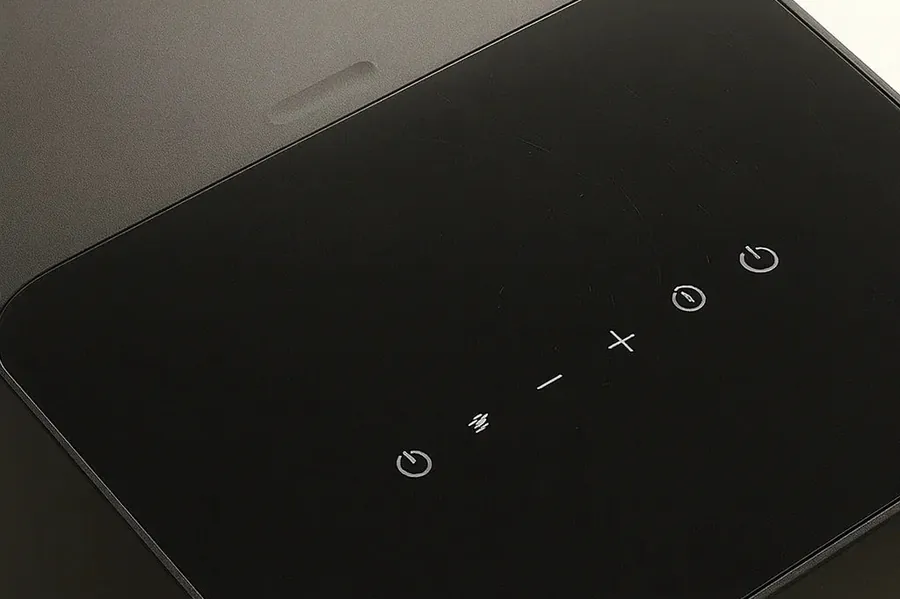
- Touch-panel control. No app, no Wi-Fi, no subscription, nothing to unlock your phone for at bedtime.
- Dual-zone on King, so each side is set independently (Good Sleep's example: 62°F and 74°F).
- Queen or King, fits any mattress up to 14 inches tall. Described as quieter than a ceiling fan.
- $1,479 one-time with free shipping, a 30-night trial from delivery (15% restocking fee on returns) and a 1-year warranty.
Wondering whether temperature-controlled beds live up to the hype? This plain-English look at whether water-cooled beds work covers the mechanics, and 8sleepalternative.com compares the main bed-cooling systems. If you want to know whether your sleep is actually "good" once you're out, here's what counts as good sleep by age.
What to avoid
- Caffeine after early afternoon. It stays in your system for hours.
- A nightcap. Alcohol may make you drowsy but fragments sleep later in the night.
- Heavy late meals and big workouts right before bed.
- Clock-watching. Turn the clock face away.
- Long late naps. Keep naps short and before mid-afternoon.
Frequently asked questions
How can I fall asleep fast?
Start winding down an hour before bed: dim the lights, put screens away, and take a warm shower or bath about 1–2 hours before bed. Keep the bedroom cool and dark. In bed, try slow breathing such as 4-7-8 (inhale 4, hold 7, exhale 8) or a head-to-toe body scan. If you're still awake after about 20 minutes, get up and do something calm in dim light until you feel sleepy.
How long should it take to fall asleep?
For most healthy adults, about 10 to 20 minutes. Regularly taking more than 30 minutes is a sign something (stress, light, caffeine, temperature or a sleep disorder) is getting in the way. Falling asleep the instant your head hits the pillow every night can mean you're short on sleep.
What is the 4-7-8 breathing method?
Breathe in quietly through your nose for a count of 4, hold for a count of 7, and breathe out slowly through your mouth for a count of 8. Repeat for about four rounds. The long exhale slows you down and gives your mind something simple to focus on.
What is the military method for falling asleep?
A relaxation routine: relax your face, drop your shoulders and arms, breathe out and relax your chest, then your legs. Then picture a calm scene (or repeat 'don't think' for 10 seconds). It's essentially a fast body scan, and it takes practice.
Does temperature help you fall asleep faster?
Yes. Your core body temperature has to drop for sleep to start; Good Sleep puts that drop at roughly 1–3°F. A cool room (Good Sleep cites Cleveland Clinic and the Sleep Foundation's roughly 60–68°F range) with warm hands and feet helps. A bed that's too hot or too cold slows you down.
Should I warm or cool my bed to fall asleep in winter?
If you're a cold sleeper, warm the bed and keep the room cool. Good Sleep's water-based topper heats up to 110°F and reaches your setting in about 15 minutes, so you can switch it on before you brush your teeth. Good Sleep suggests about 82°F as a starting point for cold sleepers.
What is Good Sleep?
A water-based mattress topper that cools to 62°F and heats to 110°F. A bedside hub circulates temperature-controlled water through micro-channels in a topper on your existing mattress. Touch-panel control, no app or subscription, $1,479 one-time for Queen or King, with a 30-night trial.
What should I avoid if I want to fall asleep quickly?
Caffeine in the afternoon and evening (it lingers for hours), alcohol close to bedtime, heavy late meals, bright overhead light and phones in bed, and checking the clock. A long nap late in the day can also make it harder to fall asleep at night.
When is trouble falling asleep a medical problem?
If it takes you more than about 30 minutes to fall asleep at least three nights a week for months, or you feel exhausted during the day, talk to a doctor. Chronic insomnia is treatable, and cognitive behavioral therapy for insomnia (CBT-I) is the first-line treatment.
Get into a bed that's already the right temperature
Good Sleep warms your bed for winter and cools it for summer, on your current mattress. trygoodsleep.com currently advertises code GOODSLEEP for $75 off.
Shop Good SleepThe science of sleep temperatureFall-asleep-fast blog
- 4-7-8 and 4 Other Breathing Techniques to Fall Asleep Fast
Step-by-step breathing and relaxation techniques for falling asleep fast: 4-7-8, box breathing, the military method, body scan and cognitive shuffle.
 How to Fall Asleep Fast When You're Too Hot (or Too Cold)
Can't fall asleep because you're too hot or too cold? How body temperature controls sleep onset, plus fixes for hot sleepers, cold sleepers and couples.
 A 60-Minute Wind-Down Routine to Fall Asleep Faster
A simple 60-minute bedtime routine to fall asleep faster: light, screens, a brain dump, a warm shower, bed temperature and breathing, minute by minute.
Not medical advice. Good Sleep facts from trygoodsleep.com.